
Call us now :08071930840
 Send Inquiry
 Send Inquiry
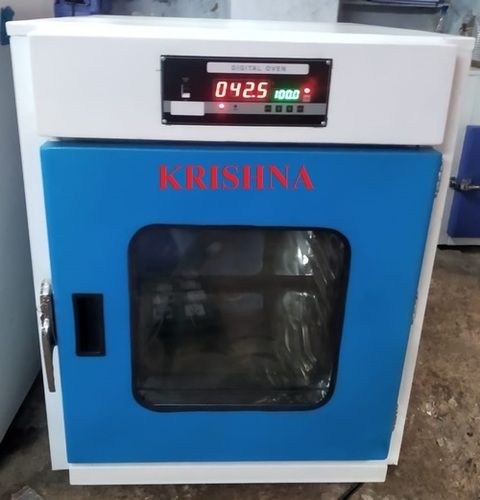
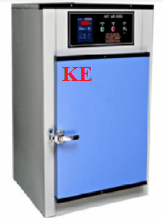
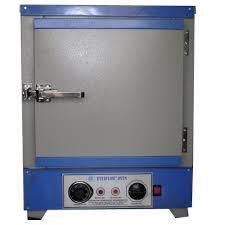
Hot Oven
Price 35000.0 INR/ Piece
Hot Oven Specification
- Frequency
- 50-60 Hertz (HZ)
- Material
- MS
- Features
- Good Quality
- Voltage
- 110-215 Volt (v)
- Hardness
- Yes
- Product Type
- Heating Oven
- Power Supply
- Electric
- Automation Grade
- Semi-automatic
- Usage
- Industrial
Hot Oven Trade Information
- FOB Port
- DELHI
- Payment Terms
- Cash Advance (CA), Cash in Advance (CID)
- Supply Ability
- 10 Per Week
- Delivery Time
- 15 Days
- Sample Available
- No
- Sample Policy
- Sample costs shipping and taxes has to be paid by the buyer
- Main Export Market(s)
- Asia
- Main Domestic Market
- All India
About Hot Oven
A hot oven, in a general sense, is an enclosed chamber designed to provide a controlled, elevated temperature environment for various processes. While commonly associated with cooking, hot ovens are indispensable tools across numerous scientific, industrial, and commercial applications.
Core Principle:
The fundamental principle of a hot oven is the transfer of heat to an enclosed space to raise and maintain a specific temperature. This is achieved through heating elements (electrical, gas, or sometimes other fuels) that generate thermal energy, which is then distributed throughout the chamber primarily through convection, conduction, and radiation.
Key Components (General Description):
While designs vary greatly depending on the application, common components of a hot oven include:
- Insulated Chamber/Cabinet: The primary enclosed space where the heating process takes place. It's typically constructed from heat-resistant materials (like stainless steel) and heavily insulated (e.g., with mineral wool, fiberglass, or ceramic fibers) to minimize heat loss to the surroundings and maintain temperature uniformity.
- Heating Elements: These are the source of heat.
- Electric Heating Elements: Most common in laboratory and many industrial ovens, these are typically resistance wires or coils (e.g., Nichrome) that heat up when electricity passes through them.
- Gas Burners: Used in larger industrial ovens or where gas is a more economical fuel source.
- Other Fuels: Less common but some industrial ovens may use oil or other solid fuels.
- Temperature Control System: This is critical for maintaining the desired temperature. It comprises:
- Temperature Sensor (Thermocouple or RTD): Measures the actual temperature inside the oven.
- Temperature Controller (PID Controller): Receives input from the sensor, compares it to the setpoint temperature, and adjusts the power supplied to the heating elements to minimize the difference.
- Relays/Contactors: Switches that turn the heating elements on and off or modulate their power.
- Air Circulation System (Convection Ovens): Many ovens incorporate a fan or blower to circulate the heated air evenly throughout the chamber. This forced convection significantly improves temperature uniformity and heat transfer efficiency, leading to faster and more consistent heating of the contents. Ovens without forced air circulation rely on natural convection.
- Ventilation System: Some ovens have adjustable vents or exhaust ports to allow for the release of moisture, fumes, or to introduce fresh air, depending on the process.
- Door and Latch Mechanism: A well-sealed and insulated door (often with a high-temperature gasket) to prevent heat escape and maintain the internal environment. The latch ensures a tight seal.
- Shelving/Racks: Internal shelves or racks, often adjustable, to hold the items being processed.
- Safety Features: Over-temperature cut-offs, door interlocks, and emergency stop buttons are common safety measures.
Types and Applications:
Hot ovens are highly versatile and come in numerous forms, each tailored to specific needs:
- Laboratory Ovens:
- Drying Ovens: Used for removing moisture from samples (e.g., soil, aggregate, chemical precipitates), glassware sterilization.
- Curing Ovens: For polymerizing or curing resins, epoxies, and coatings.
- Annealing Ovens: For heat treating metals or glass to alter their properties.
- Sterilization Ovens: For sterilizing medical instruments or laboratory glassware using dry heat.
- Industrial Ovens:
- Batch Ovens: For processing discrete batches of products (e.g., automotive parts, electronic components, painted items).
- Conveyor Ovens (Tunnel Ovens): For continuous, high-volume processing where products move through the oven on a conveyor belt (e.g., baking, drying, curing, preheating).
- Curing Ovens: For powders, paints, adhesives, composites.
- Heat Treating Furnaces: For more specialized high-temperature metallurgical processes.
- Commercial/Baking Ovens:
- Convection Ovens: Widely used in professional kitchens for uniform baking and roasting.
- Deck Ovens: For baking bread and pizzas.
- Rotary Ovens: For high-volume baking with rotating racks.
- Specialized Ovens:
- Vacuum Ovens: For drying heat-sensitive materials under reduced pressure.
- Cleanroom Ovens: Designed for use in controlled environments, minimizing particulate contamination.
- High-Temperature Furnaces: For temperatures exceeding typical oven ranges, used in ceramics, metallurgy, etc.
Key Parameters & Features:
When describing or selecting a hot oven, important parameters include:
- Temperature Range: The minimum and maximum temperatures it can achieve and maintain.
- Temperature Uniformity: How consistently the temperature is maintained throughout the chamber. Critical for sensitive applications.
- Temperature Stability: How well the oven maintains its setpoint temperature over time.
- Chamber Volume/Capacity: The internal dimensions of the working space.
- Heating Rate: How quickly the oven can reach the desired temperature.
- Power Source: Electric, gas, etc.
- Control System Features: Programmable ramps and soaks, data logging, alarms, remote monitoring.
In essence, a hot oven is a controlled thermal environment, with its specific design and features dictated by the precise heating process it is intended to facilitate.
Tell us about your requirement

Price:
Quantity
Select Unit
- 50
- 100
- 200
- 250
- 500
- 1000+
Additional detail
Mobile number
Email

More Products in Testing Apparatus Category
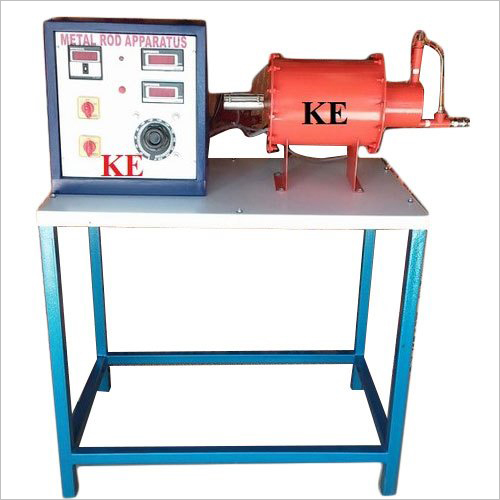
Metal Rod Test Apparatus
Capacity : 1500 N
Usage : Laboratory/Quality Control
Mounting Type : Tabletop
Machine Weight : Approx. 40 kg
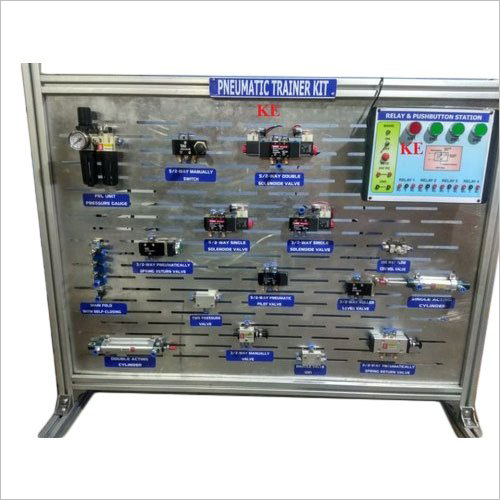
Pneumatic Test Apparatus
Capacity : 1000 N
Usage : Industrial laboratory testing
Mounting Type : Benchtop
Machine Weight : 45 kg
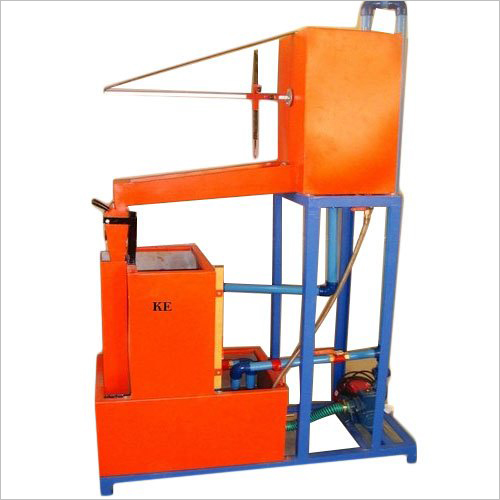
Mouth And Orifice Test Apparatus
Capacity : Up to 10 tests per hour
Usage : Laboratory & Industrial
Mounting Type : Benchtop
Machine Weight : Approximately 30 kg
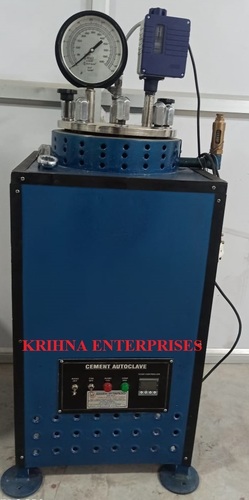
Cement Autoclave
Price 80500 INR / Number
Minimum Order Quantity : 1 Number, ,
Capacity : 5 L (approx.)
Usage : Laboratory/Industrial
Mounting Type : Benchtop
Machine Weight : Approx. 60 kg

 Send Inquiry
Our Products
- Testing Equipment
- Testing Apparatus
- Soil Testing Equipment
- Universal Testing Machine
- Bulk Density Apparatus
- Core Cutting Machine
- Electrical Machine Lab Instrument
- Heat Transfer Laboratory Equipment
- Moisture Meter
- Compression Testing Machine Channel
- Educational Trainer
- Impact Testing Machine
- Digital Bomb Calorimeter
- Roll Crusher Machine
- Electric Control Panel

D-1, Block-B Gali No.25, Mangal Bazaar, Das Garden, Baprola Vihar, New Delhi - 110043, India

Mr R. K. Yadav
(Proprietor )
Mobile :08071930840
 Send Inquiry
 Send SMS
Developed and Managed by Infocom Network Private Limited.
